In a Rut at The Ranch

White-tailed Deer bucks fill The Ranch captured by Z 9 / 180-400VR

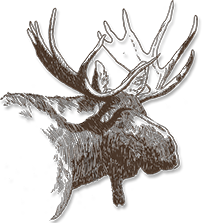
We were in Yellowstone when Sharon received the text from our neighbor. “Have you guys seen the all male herd that has been moving through the property the last couple of days?” Ever since moving to The Ranch, we’ve had lots of does and three fawns born but big bucks have been far and few between. I knew that at some point with all the girls, the big boys would show up one fall. Well, we’ve had a few this week and it’s been fun! They are not really sure what to think of me. The does and fawns come right up to me which the bucks wouldn’t do normally. But then, I’ve been giving the does / fawns apples since day one so they think of me as simply as a source of food. But what are the bucks to do? If they want to get close to the does, they gotta get close to me. And it just so happens that besides having apples I have the Z 9 / 180-400VR. It’s a very fluid situation as the does are not really receptive yet to the bucks advances. The bucks, well they are guys and their hormones have their necks swollen and not thinking straight. The six pointer was the biggest buck to visit us so far with a number of five pointers. They are making it hard to get anything done as Sharon and I are on constant vigil walking around the house looking out the windows to see what they are up to. I know I was wanting all of this to happen but I never thought I’d be in a rut at The Ranch!

Fall out – Winter In!

Yellowstone Bison captured by Z 9 / Z400f4.5 w/Z1.4x

Wednesday was warm and delightful. Thursday morning the nip was in the air and today, the white stuff is gathering above to be on the ground tonight. By tomorrow night, up to two feet of the white stuff will be in place. Yep, fall out – winter in!

Signal of Fall

Rocky Mtn Elk captured by Z 9 / Z400f4.5

It was one of those classic Yellowstone scenarios, fall cold temps, a hot springs steaming like a train engine and the king of the Rocky wilderness, a bull elk. This Rocky Mtn Elk bull was busily replenishing his fat reserves after a night long bugling contest. He was looking for any grasses left that hadn’t turned yet, munching ever green blade he could. When we first came upon him, it was long before the sun had kissed the skies, he and we were all alone. Yellowstone is empty, basically having the park to ourselves permitting us to photograph to our hearts content with no one pushing the critters. We’ve been able to just watch the critters, letting go about their lives as we click away. The bottom shot, this was the case. The bull calmly munching away, the morning frost still on his back. For about twenty minutes we stood by the van up on the road enjoying his company as he did just the one thing. Then …

A truck went by, slowed down, slammed brakes and pulled in in a very big hurry. I knew it was a photographer. Argh. Dressed in camo (why I don’t know cause just his driving told the elk trouble was coming) rushing up passed us, who were there first and for a long time and very respectfully just watching and shooting, to get his shot. The top shot was the bulls reaction to the photographer. He was a classic example of a panic photographer moving here and there trying to get what he thought I’m sure would be the award winning shot. The elk reacted by trying to find an exit to get away from this photographer who was running from one end of the parking area to the other. We just stood there, it was obvious that our calm encounter has been thrown out the window. Finally, the bull just made a beeline for the trees. I not only regretted the total lack of ethics of the photographer, total lack of field craft, my shooting with the Z400. I needed to have a zoom to deal with this elk being pushed about by this other photographer. Oh, we never got any kind of aware winning photograph (neither did that other photographer) but we were rewarded with an amazing experience before the sun rose with the best signal of fall!

caption

NWR Week Day 5

San Joaquin Kit Fox pups captured by F4 / 400f2.8 on Agfa Film

Pixley NWR is one probably only five of us have ever heard of. Located in the lower end of the San Joaquin Valley, it’s the home to a number of endangered critters, the San Joaquin Kit Fox is just one. These six week old pups are staring at the camera because they are looking at their dad. Their dad is enjoying the shade that I and my chair are creating as I sit out in the 101 degree sun.It’s at Pixley where I fell in love with this very charsmatic very endangered critter.One of the first species to be listed as endangered in the US, it’s on the edge of disappearing completely. With less than 5% of its historic range remaining, it literally has no where to run. It’s why in part we have a NWR system and why all this week, entrance is free. Visit the one close to you and take in the wild heritage we were left and responsible to passing on to the next generation!

NWR Week Day 4

Roseatte Spoonbill captured by D3 / 600f4AFS w/TC-14eII

Ding Darling NWR located on Sanibel Island, FL is an incredibly special mangrove swamp habitat preserved for the unique critters of the south. I originally went there because of the large gathering of Roseatte Spoonbills. This crazy looking bird’s color in spring is crazy pinkish-rose with a long bill that flattens and widens at the end. This specialized wading bird was once hunted to near extinction for its gorgeous plumes made a great comeback. Ding Darling for a long time was an easy and gorgeous place to enjoy this gorgeous bird. Ding Darling has been hit many times since I’ve been venturing to it by hurricanes. Its mangrove swamp habitat is adapted to take the hit. Yeah, there is some damage from the hurricanes but they come back. I’ve not been able to hear about and possible damage from Ian but I can’t wait until 2023 when I’m back down in FL and hope that access to Sanibel is restored so once again I can take in the jewel of the NWR system!

NWR Week – Day 3

Caribou on ANWR captured by D2H / 200-400f4

2PM in early spring looks quite different on ANWR. The northern most NWR I think is one of our most treasured and one few have the opportunity to visit. This remote outpost on the edge of the Beaufort Sea well above the Arctic Circle. I’ve only had the good fortune to spend a few weeks on ANWR in a handful of visits over the years but I fell in love with it the first day I stepped out of the plane at Whale Mtn on the Kongakut River. This herd of Caribou can’t even be described as a drop in the bucket when describing the vastness of the herds. I friend too a four image pano with a 500mm lens years back and there isn’t a pixel in the pano that doesn’t have at least five Caribou in it. The herds are that big. To the unvisited it appears to be a vacant, sparse and harsh environment. But take one step personally on ANWR and you find instantly that is far from the truth. It is an incredibly rich, backed, diverse world I so want to spend more time exploring with my camera!

error: Content is protected !!